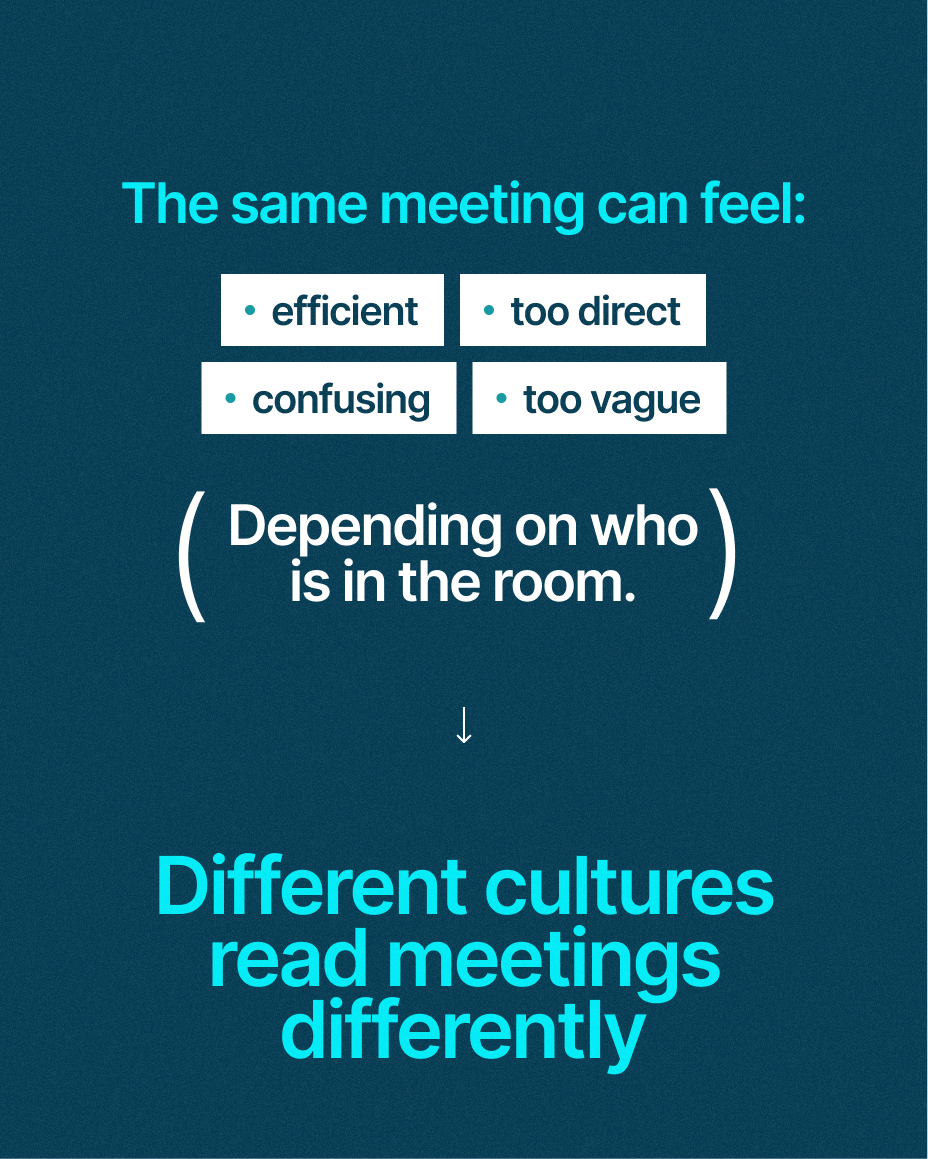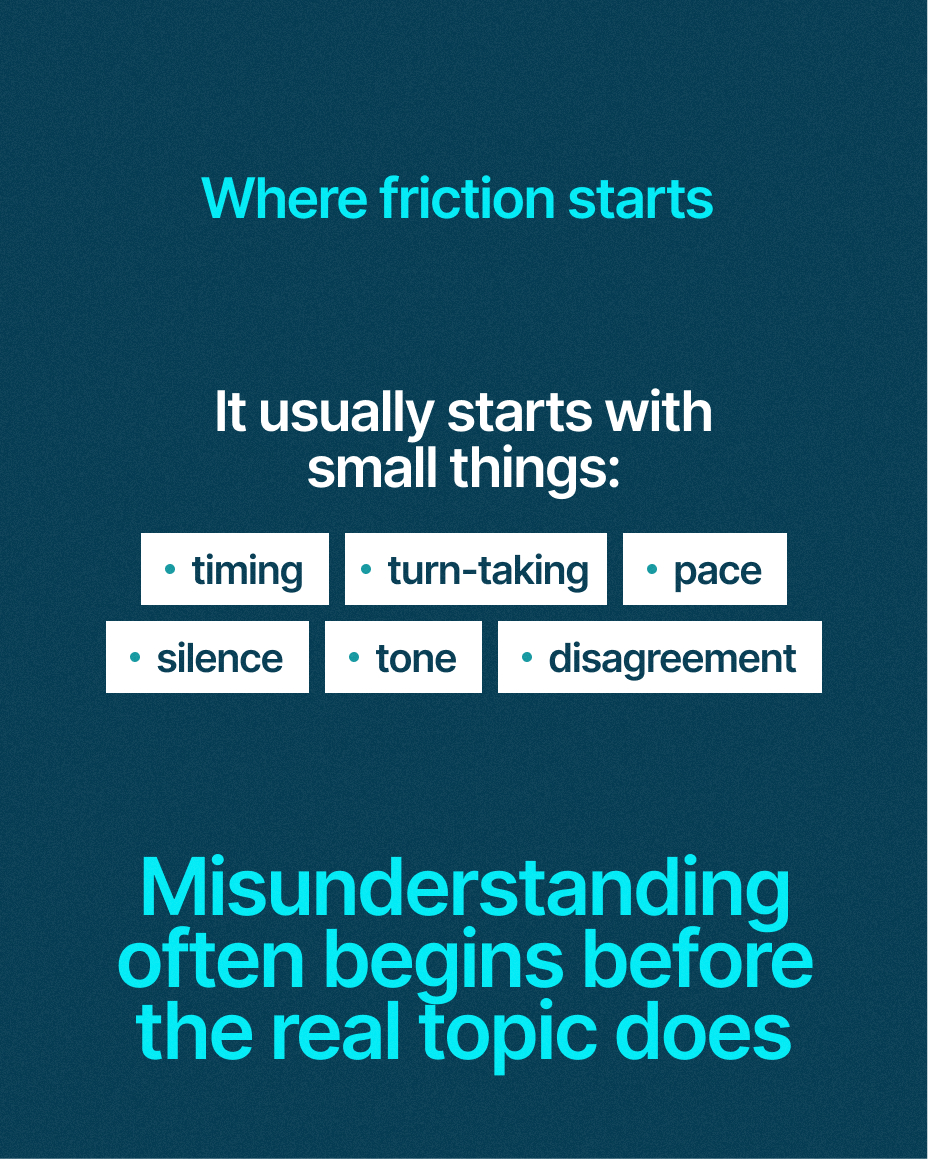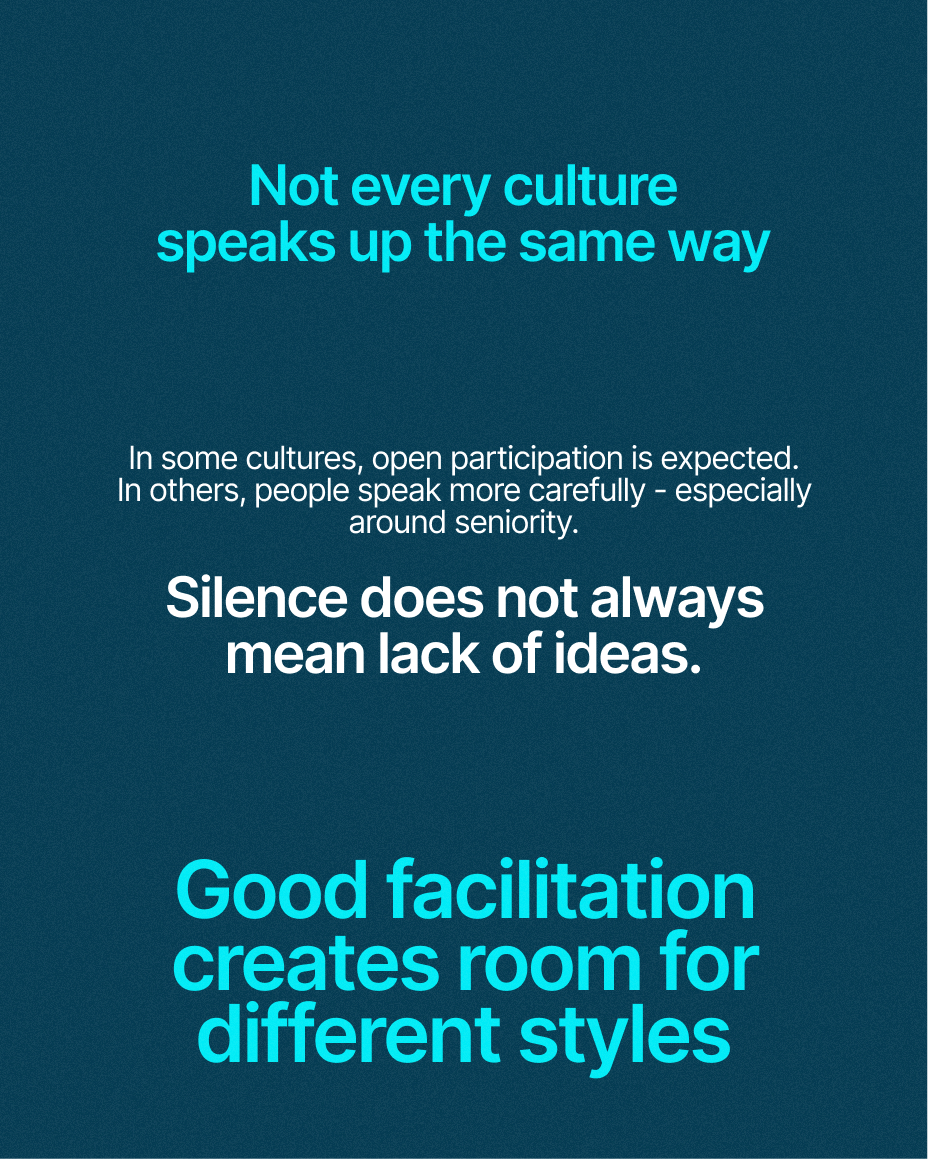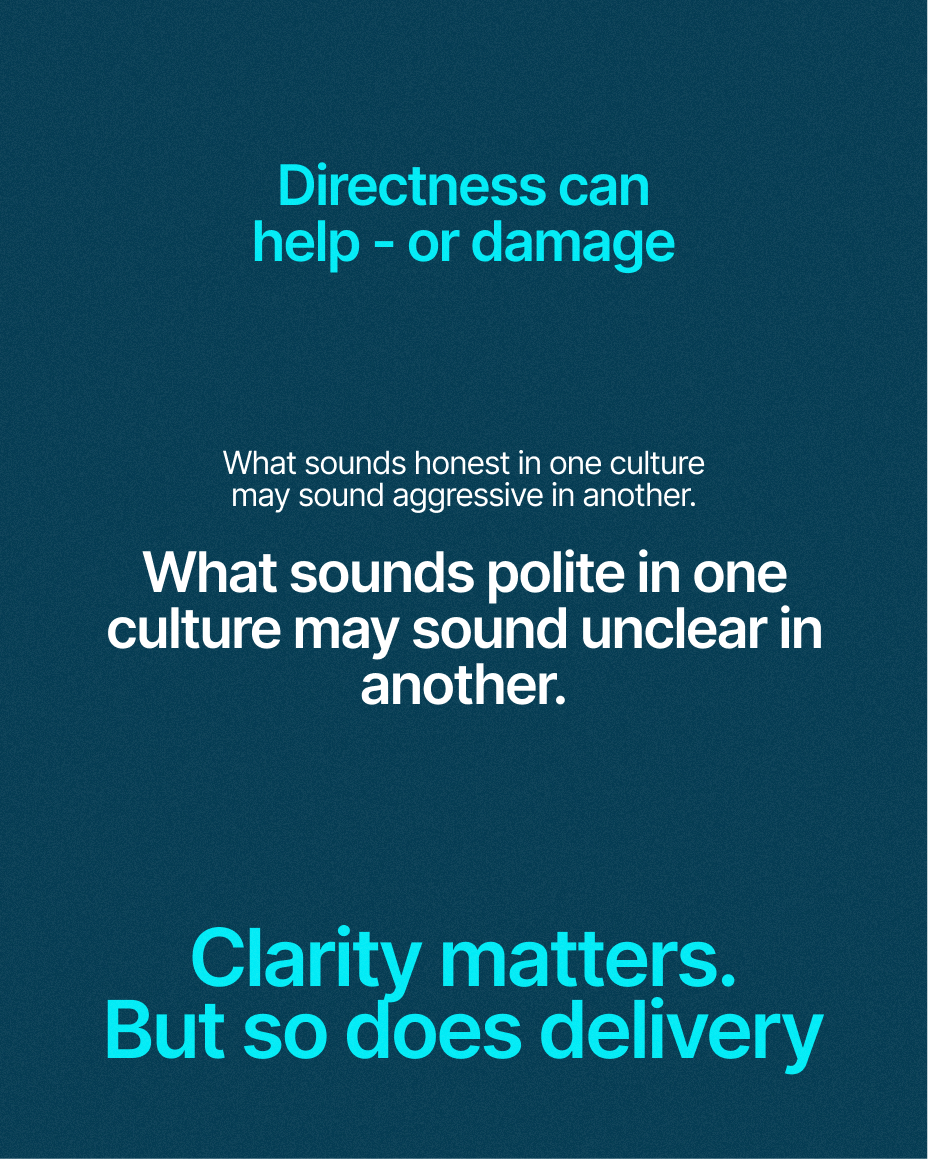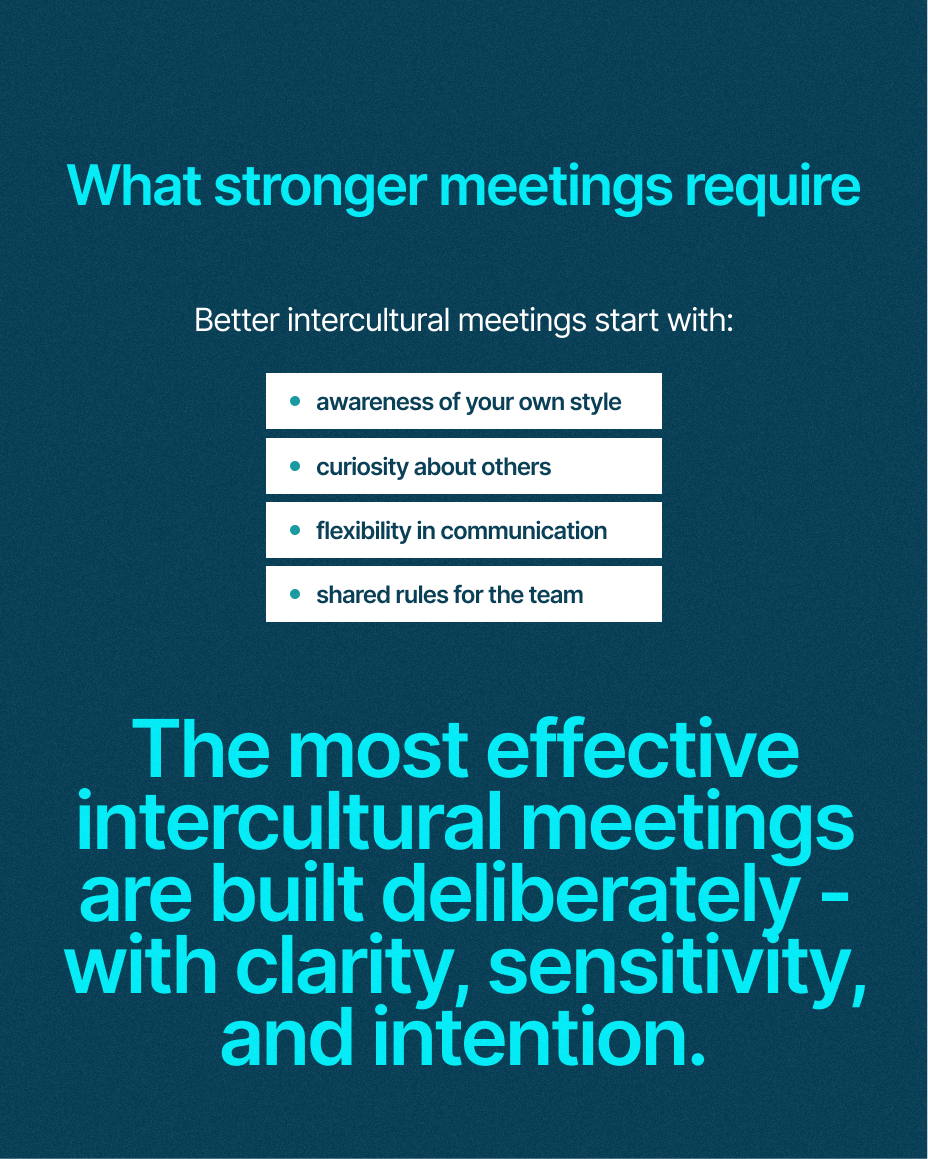
Global teams do not fail because people lack expertise. More often, they fail because people read the same meeting differently.
That was one of the key ideas behind the recent European Business Association online session on “Intercultural Meetings,” in which our team took part.
What feels efficient to one person may feel abrupt to another. What sounds polite in one culture may sound vague in another. And what looks like silence may actually reflect respect, caution, or hierarchy at work.
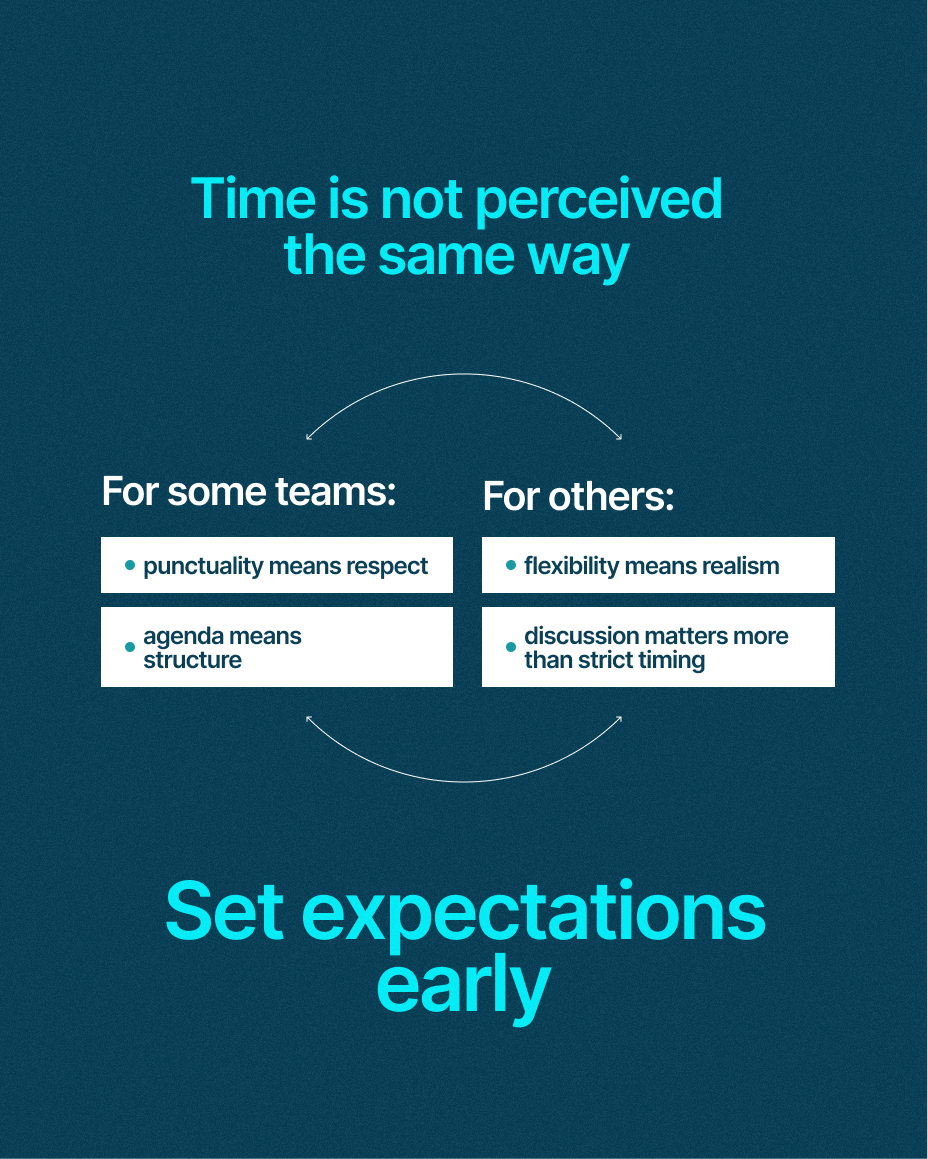
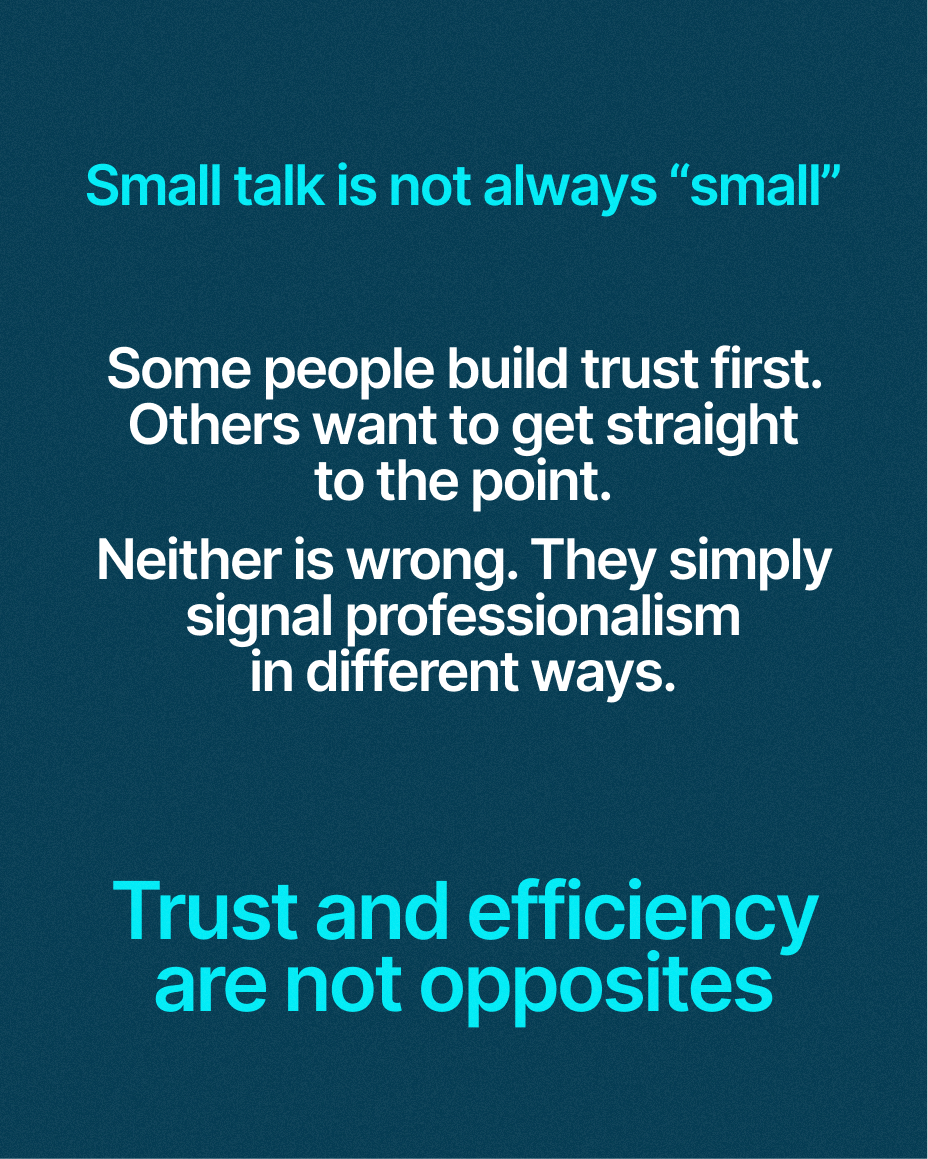
For Sona Group, operating across markets and working with multicultural teams and partners, this is not theory. It is part of everyday business practice. Here are a few practical insights from that discussion on how intercultural meetings become clearer, stronger, and more productive.